Gothenburg has twice the number of engineers as Stockholm — 30% of the working population compared to 15%. I picked this up during a lunch seminar arranged by the campaign “Industry – our best defence”. It is run by five trade associations, and at the end of April it was Gothenburg’s turn. On stage were several CEOs from the region’s largest employers.
The Swedish EU Minister Jessica Rosencrantz spoke about the importance of ensuring European companies receive investment, and the problem that large sums sit in bank accounts rather than being put to use. She mentioned the Swedish ISK (a tax-advantaged investment account) as a success in getting ordinary people to invest in shares. It’s now attracting interest across Europe.
This got me thinking about common investment advice: put everything in global index funds — they’re cheap and profitable. But then a large proportion of investments ends up in giant American tech companies. What if more people instead invested where they believe development matters most? Small individual investments add up when many pull in the same direction. For example, investments that help innovation become products reaching customers, or investments in new energy – since everyone wants cheaper electricity bills.
The industry around Gothenburg is predicted to need twice as much energy within 5–7 years to keep the wheels turning — and it needs to be stable, affordable, and preferably less dependent on fossil imports.
This is why renewable hydrogen produced locally is interesting as an energy carrier for storage, for greener aviation and shipping, and other applications. I’ve learned a lot about all the possible uses of hydrogen while writing content for the HiWhyV website. After some great teamwork we launched it as scheduled, marking one milestone of the project. One thing is clear: it will take a lot of collaboration to get the hydrogen economy going.
So collaboration is (again) a theme for one of my recaps.
I have a hands-on example from Åsvallen, an area with around 100 cottages on a sunny hillside in Härjedalen. Above the cottages, marshland separates us from popular hiking trails. The wooden duckboards across it are deteriorating. A group of neighbours initiated a fundraising campaign to replace them. I took the lead on fundraising, and within a week we reached one third of the target. Even better, many offered to contribute their time as well.
Whether it is countries needing new energy or neighbours wanting to cross a piece of marshland — someone taking the lead and inviting collaboration is the way forward.
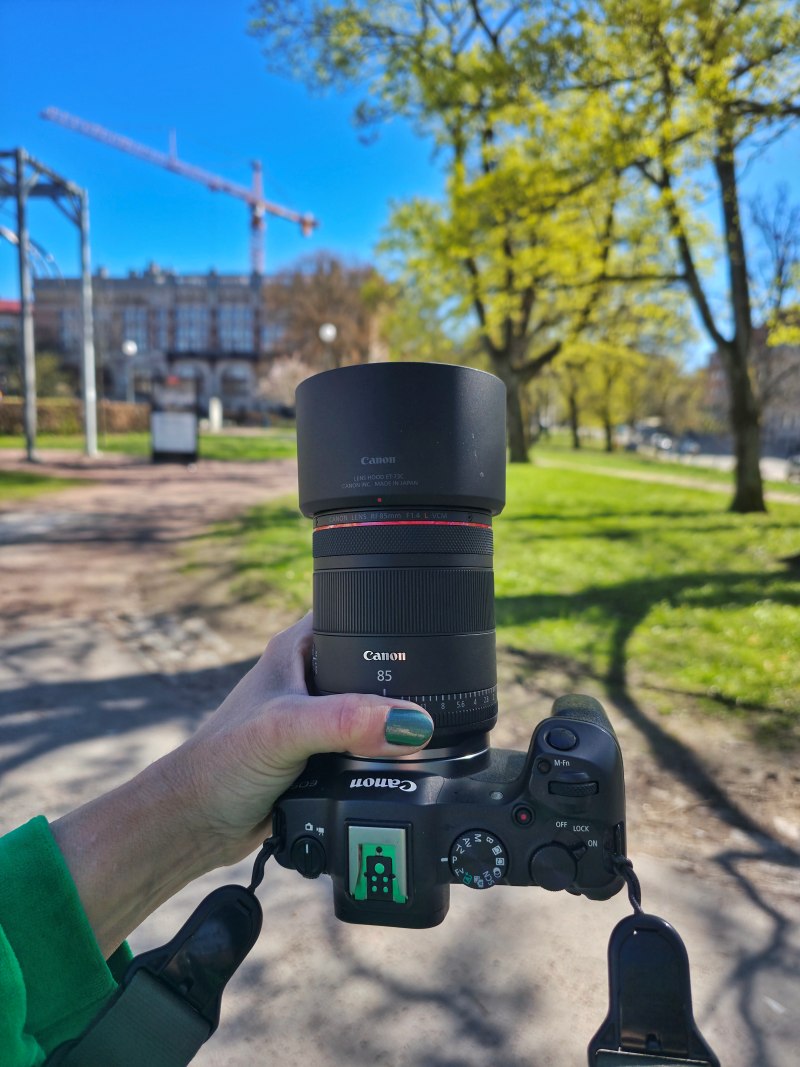
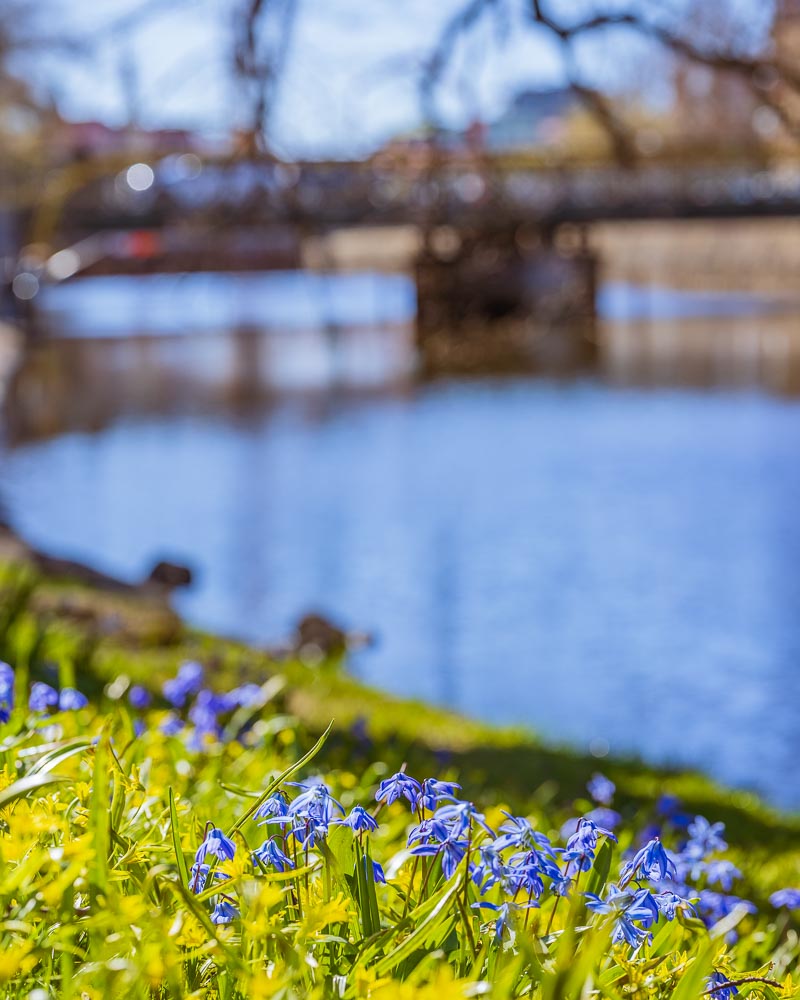
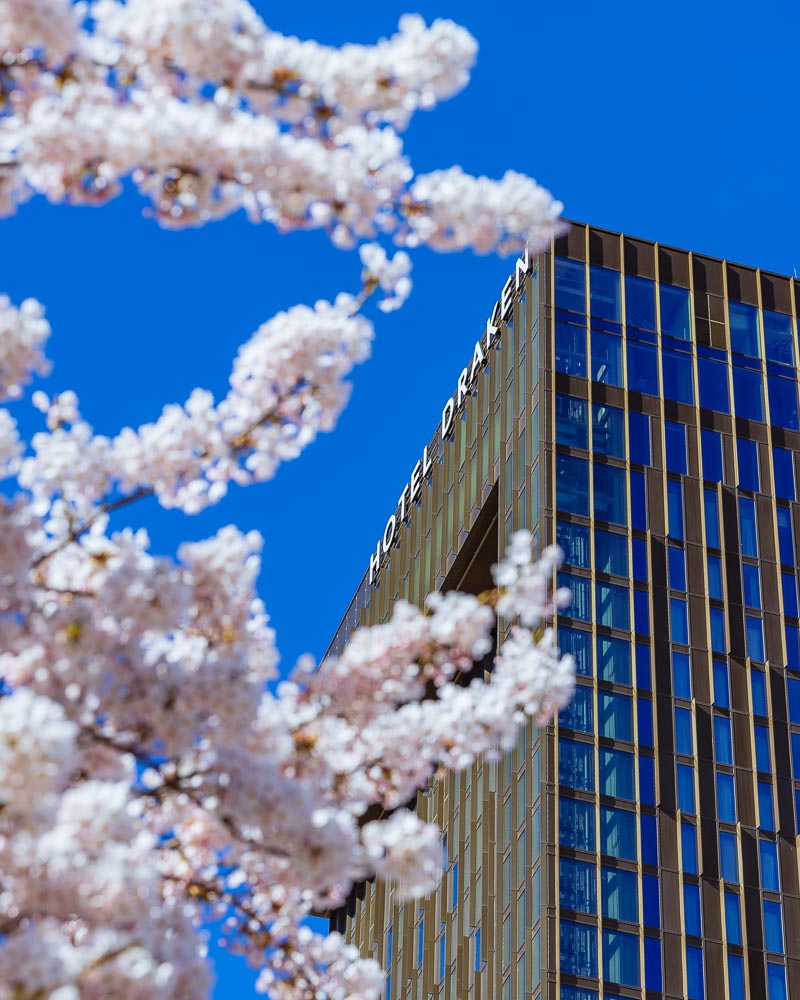
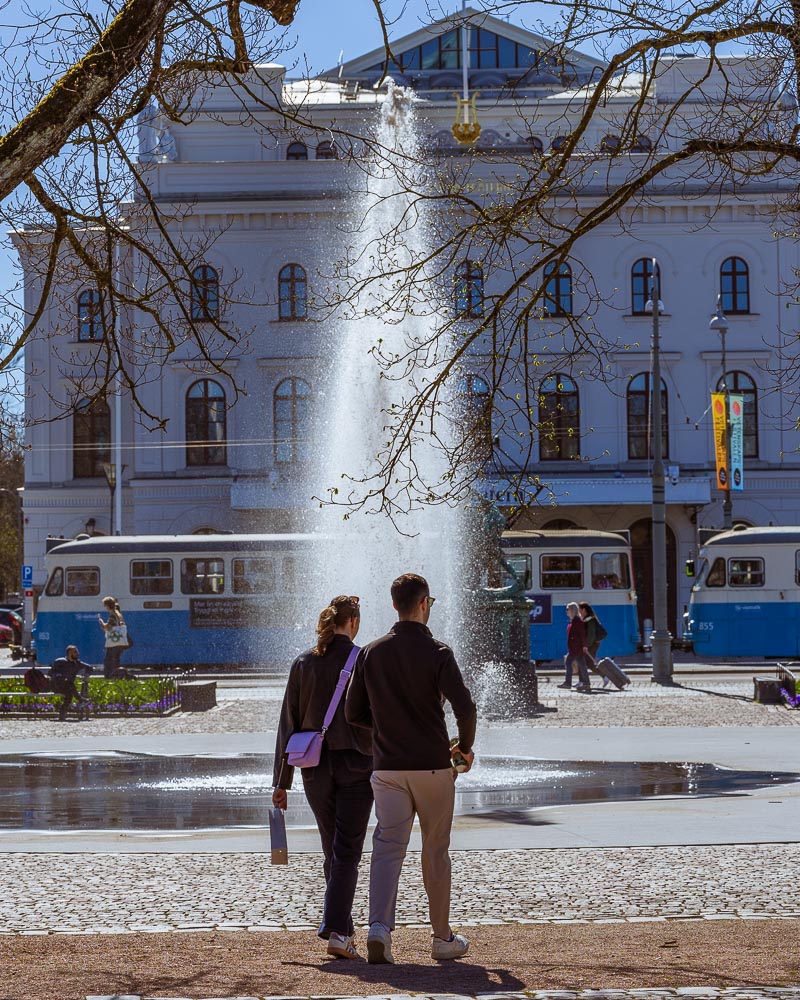
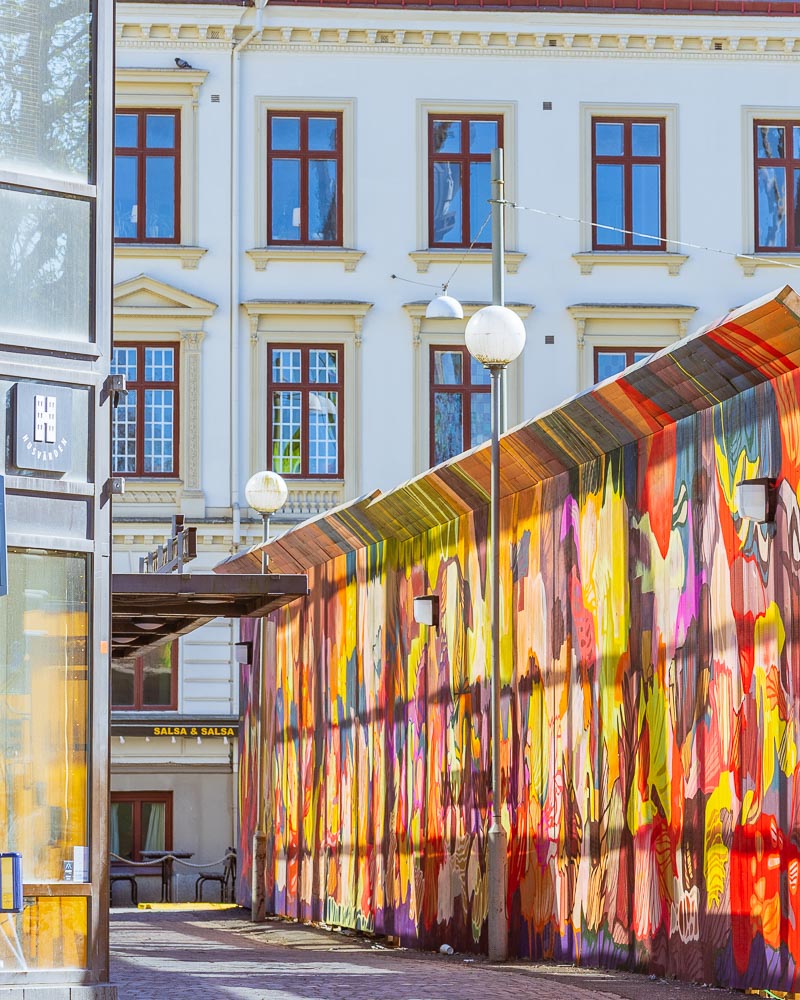
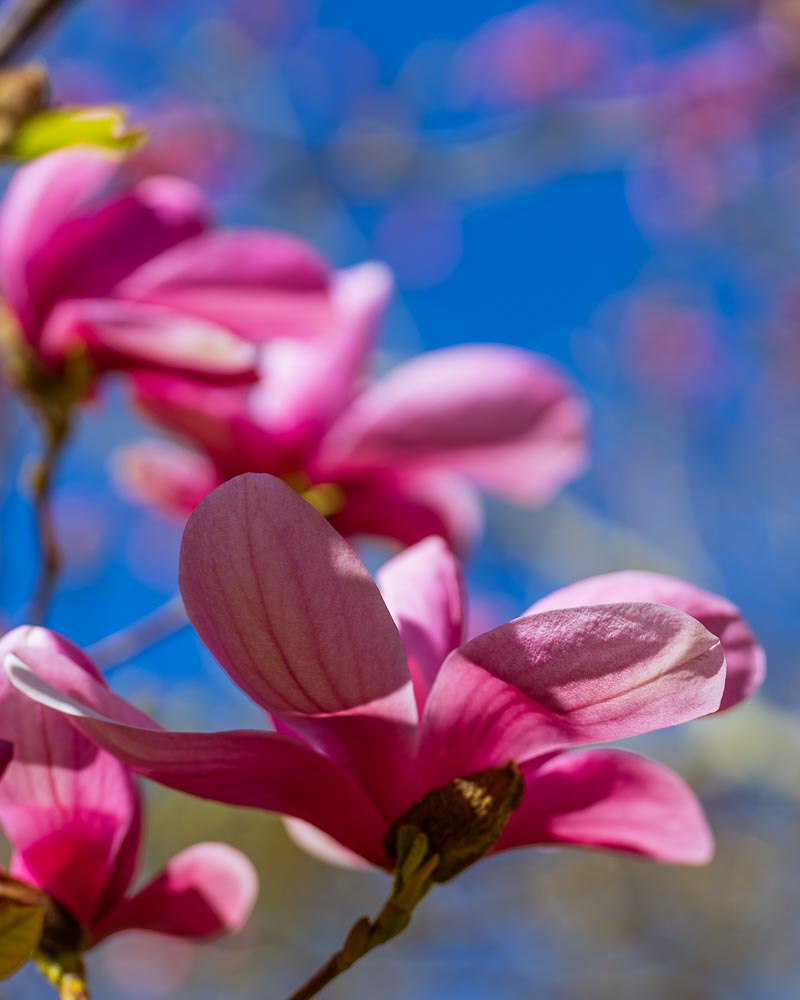
This month’s pictures are from Gothenburg, taken on my way home from the industry event. After spending a lot of time in front of the computer in April, I wanted a break — and took the opportunity to document the spring with my new prime lens. My photo archive has proven handy, for example when helping colleagues with images.
These recaps are also published on LinkedIn and written in collaboration and discussion with the following AI-tools: Claude & ChatGPT.

Science communicator and project manager based in Sweden, working internationally. Montly recaps in English.
- Ny bok: Upptäck Provence - 5 juni 2026
- Franska utsikter: stencirkel i Massif de Maures - 1 juni 2026
- May 2026: Structuring information for thousands of readers - 31 maj 2026